|
YAW-2000E
Collect
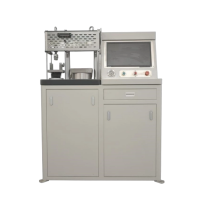
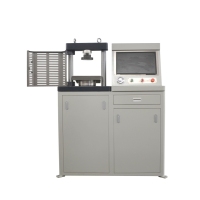
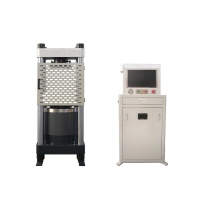
Microcomputer Control Hydraulic Servo Pressure Testing Machine Model: YAW-2000E
1. Main Uses and Applicable Scope This fully cast frame microcomputer-controlled electro-hydraulic servo pressure testing machine features an adjustable spatial structure. Primarily designed for compressive testing of metallic materials and non-metallic materials including cement, concrete, and plastics, it can be equipped with accessories to perform mechanical property tests such as compression, bending, and flexural strength. Widely used in industries and institutions including machinery, metallurgy, transportation, construction, building materials, universities, and quality inspection, this reliable and cost-effective machine serves as an ideal solution for material testing in production and engineering applications.
2. Main Specifications, Technical Parameters and Technical Indicators
3 Working Conditions3.1 Within the room temperature range of 10℃ to 35℃; 3.2 Relative humidity ≤80%; 3.3 The environment should be free from vibration, corrosive media, and strong electromagnetic interference. 3.4 Install properly on a solid foundation; 4 Structural Features and Working PrinciplesThe testing machine is composed of the main engine, oil source system and microcomputer measurement and control system. 4.1 HostThe main body of the testing machine is composed of an integral cast frame, hydraulic cylinder piston, spacer, sensor and protective cover. The adjustment of compression space is achieved by screw rod lifting and piston moving up and down. The hydraulic cylinder and piston are critical components of the main unit. Their contact surfaces are precision-machined to maintain proper clearance and an adequate oil film. Therefore, special attention must be paid to oil cleanliness during operation. Impurities such as iron filings must not enter the cylinder through the oil pump, valves, or pipes, as this could damage the contact surfaces of the cylinder and piston, thereby compromising the accuracy of the test force values. During installation, ensure that any contaminants deposited on the cylinder-piston interface are thoroughly cleaned to prevent contamination of the oil chamber. 4.2 Operation SectionThe test machine is a microcomputer-controlled electro-hydraulic servo pressure test machine. The control system consists of a test card, servo motor, control valve, load sensor and computer, which can control the test process automatically and accurately, and measure the test parameters such as test force automatically. 4.3 Hydraulic Oil Source SectionThe hydraulic oil system comprises a servo motor, oil pump, control valve, hydraulic control components, piping, valve block, oil tank, and control electronics. The oil distributor integrates the functions of lower plate lifting and servo control, optimizing oil source space. A high-performance, low-noise radial piston pump is mounted on the oil tank cover plate and connected to the motor. An oil level window is installed on the rear exterior of the tank for monitoring. The servo oil source features an automatic output power adjustment relief valve and an electromagnetic directional control valve. The relief valve is factory-set, eliminating user adjustments. The integrated oil source control cabinet combines sleek aesthetics with functionality, serving as a computer desk. 5. Installation ConditionsThe testing machine shall be installed in a clean, dry, vibration-free room with uniform temperature, and sufficient maintenance space (approximately 800-1000mm) shall be reserved around the machine. The main unit of the testing machine shall be installed on a concrete foundation, with the site layout determined by laboratory configuration, electrical wiring, and installation piping. The foundation's upper surface must be leveled using a level gauge, and the testing machine should only be installed after the cement has fully set. 6 Safety devicesInstall a transparent acrylic protective cover in front of the compressed space to ensure safety. 7. Precautions During Operation1. During the installation of the testing machine, correctly connect the two-phase power lines with a neutral wire cross-sectional area of no less than 1.5 square millimeters. Securely connect the ground wire and establish the wiring between the main unit and the microcomputer. 2. During the initial test run, check the motor's rotation direction. If it rotates in the wrong direction, swap any two power phase wires. 3 Before starting the operation, check the measurement and control system to ensure it is functioning properly, preventing the piston from suddenly rising too quickly after operation. 4 In the test, if a mechanical failure occurs, press the "Emergency Stop" button. If the electrical equipment malfunctions and the start or stop buttons fail to operate, immediately disconnect the power supply to halt the testing machine. 5. To prevent the sample from flying out during fracture and causing accidents, a self-made protective plate can be made. 6. During operation, check for any loosening of the spherical pressure plate bolts and tighten them promptly to prevent flying debris from the pressure blocks and other components. 7. The maximum specified load limit must not be exceeded during pressurization. 8. Check if the limit switch operates smoothly and reliably, verify the thermal relay's current setting is correct, and ensure the fuse replacement matches the original specification. 8 Maintenance of Testing Machine1. All components of the testing machine should be regularly cleaned. For unpainted surfaces, wipe them clean and then apply a small amount of engine oil to a cotton swab before wiping again to prevent rust. Extra care should be taken during the rainy season. When not in use, cover the testing machine to prevent dust ingress. 2 After each test, the test bench should be lowered, and the piston should not touch the bottom of the cylinder, leaving a slight gap for the next use. 3. The oil pump motor should be turned off when the testing machine is suspended. 4. Regular lubrication (using grease) should be applied to all rotating and moving parts of the main unit of the testing machine. 9 Selection of Hydraulic OilIn the hydraulic system, 68% anti-wear hydraulic oil is used, and the total oil consumption is about 50-60 liters.
相关商品
|